
 Posted by
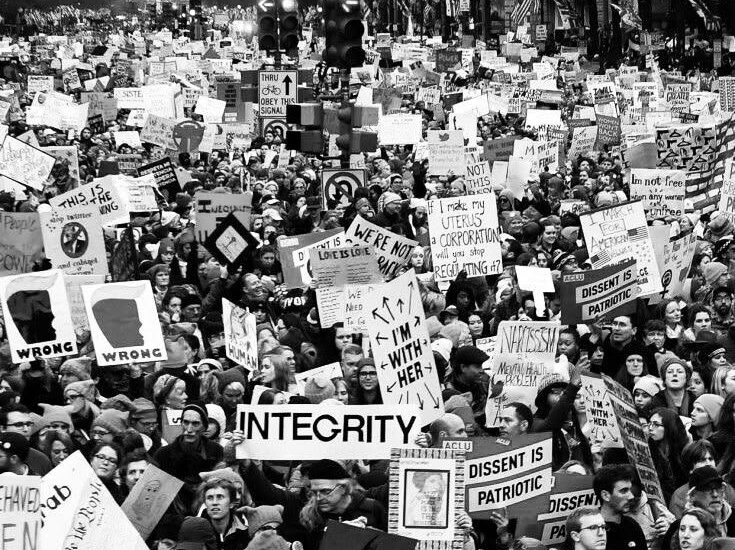
I used to believe that social movements were simple things. People get angry about something, they take to the streets, and change happens. That was my mental model for years, and honestly, I never questioned it until I started reading more deeply into social movement theory. What I found surprised me, and it completely shifted how I think about activism, protest, and collective action.
The truth is, anger alone does not create lasting social change. I know that sounds almost counterintuitive, especially when we see massive protests erupt and then fizzle out within months. So what separates movements that endure from those that disappear? The answer, I have come to believe, lies in organization, resources, and political timing.
When I first encountered J. Craig Jenkins and his 1983 work on resource mobilization, something clicked for me. Jenkins reviewed decades of debate about why social movements emerge and advanced a model that goes well beyond traditional ideas about discontent. He emphasized resources, organization, and political opportunities, arguing that group organization is the major factor shaping a movement’s potential to mobilize.
Think about it this way. Lots of people are unhappy about lots of things all the time. If discontent alone created movements, we would be drowning in them. What actually turns grumbling into collective action is having people, money, networks, and a plan. This article explores why social movement organization and political opportunity matter more than raw anger for achieving lasting change. That realization changed how I view every protest I see on the news.
Politics matters just as much as organization, and I did not fully appreciate this until I read Sidney Tarrow’s work from 1988. He noted that research in the 1980s restored politics to a central role in understanding the origins, dynamics, and outcomes of movements. He explored ideas like political opportunity structure and cycles of protest, concepts that help explain why some movements flourish while others wither.
David Meyer summed up the core insight well in 2004 when he wrote that the context in which a movement emerges influences its development and potential impact. I like that because it feels humble. It acknowledges that clever tactics and passionate speeches are not enough if the doors of power remain closed. Meyer also admits that scholars disagree about how opportunities work and that tests of the theory have produced mixed results, so I try not to treat any of this as settled law. Social movement theory is still evolving, and that is probably healthy.
Here is where things get interesting and, frankly, a little frustrating. Giugni observed in 1998 that research has usually focused on how movements emerge and mobilize, giving much less attention to their outcomes and consequences. Most work on outcomes looks at political and policy change, while few studies address cultural and institutional effects. We still know very little about indirect and unintended consequences of social movements.
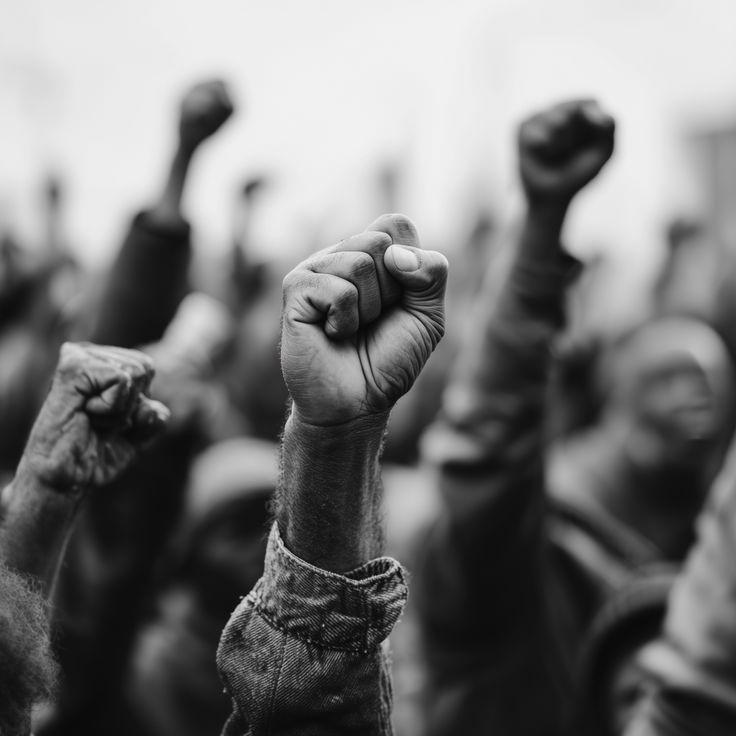
He also points to a basic difficulty that I think about often: it is genuinely hard to establish a causal link between movement actions and an observed change in society. How do you prove that a protest caused a policy shift when a hundred other factors were in play? You cannot run a controlled experiment on democracy.
I think that gap tells us something important. We tend to measure success by laws passed because laws are easy to count. But a social movement can shift public attitudes, change how institutions behave, or train a generation of organizers, and none of that shows up neatly in a policy tally. A protest that fails to win a bill might still change the culture around the issue. Is that success? I would argue yes, though reasonable people will disagree.
Let me push back on my own view for a moment. Some scholars would say I am underrating the role of emotion, identity, and shared meaning, which are central to newer approaches in the field. They have a point. People do not join a cause without feeling something. Anger, hope, and a sense of belonging all help people take that first step.
I simply believe those feelings need structure to last. A crowd without organization usually fades, while a smaller group with a plan can keep going for years. I have seen this play out in my own community, where passionate residents rallied against a development project, got some media attention, and then dissolved within weeks because nobody had built the infrastructure to sustain the effort.
Meanwhile, a quieter group working on housing policy for a decade actually changed local zoning laws. That experience taught me more than any textbook could.For those interested in diving deeper into these ideas, this resource on social movement theory provides useful background.
Where Do I Land on Social Movements?
If you want to understand a social movement, look past the anger. Ask who is organized, what resources they hold, what the political environment allows, and what changes might appear years later in places nobody was measuring. Anger starts the story. Organization and political opportunity decide how it ends.
I still feel passionate about causes I care about. But I now know that passion without structure is just noise. And structure without passion? Well, that does not inspire anyone either. The sweet spot is somewhere in between, where organized people with resources and timing push against open doors. That is when social movements actually change the world.
References
Giugni, M. G. (1998). Was it worth the effort? The outcomes and consequences of social movements. Annual Review of Sociology, 24, 371–393. https://archive-ouverte.unige.ch/unige:83865
Jenkins, J. C. (1983). Resource mobilization theory and the study of social movements. Annual Review of Sociology, 9, 527–553. https://doi.org/10.1146/annurev.so.09.080183.002523
Meyer, D. S. (2004). Protest and political opportunities. Annual Review of Sociology, 30, 125–145. https://doi.org/10.1146/annurev.soc.30.012703.110545
Tarrow, S. (1988). National politics and collective action: Recent theory and research in Western Europe and the United States. Annual Review of Sociology, 14, 421–440. https://annualreviews.org/content/journals/10.1146/annurev.so.14.080188.002225