

 Posted by
 Explore the sociology of tourism and counter tourism, how travel shapes culture, identity, and power, and what responsible travel really means. The first time I stood in the middle of a crowded market in Marrakech, camera in hand, and felt this strange, uncomfortable awareness that I was not just a traveler, I was a tourist. And not just any tourist.
I was the kind of tourist that locals had quietly learned to work around, to accommodate, to profit from, and sometimes, to resent. That moment shifted something in how I understood travel, and it sent me down a path of thinking seriously about the sociology of tourism, a field that examines travel not just as leisure, but as a complex social phenomenon with real consequences for people and places.
Tourism, at its core, is a sociological event. It involves the movement of people across geographical and cultural boundaries, and wherever that movement occurs, power dynamics, identity negotiations, and cultural exchanges inevitably follow. The sociology of tourism asks questions that guidebooks tend to skip over: Who benefits from tourism? Who bears the costs? What does it mean when one group of people transforms another group’s home into a destination? These are not rhetorical questions. They have concrete, measurable answers that researchers have been exploring for decades.
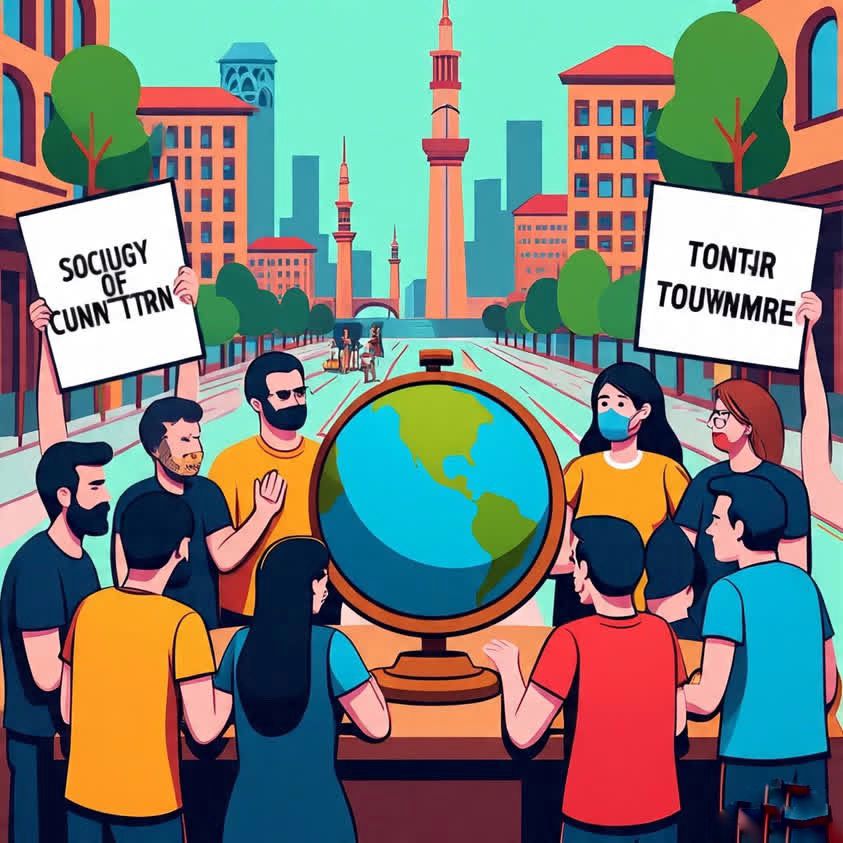
One of the most influential frameworks in tourism sociology is the concept of the “tourist gaze,” introduced by sociologist John Urry. The idea is fairly straightforward but deeply revealing. When tourists visit a place, they do not simply observe it neutrally. They consume it through a particular lens shaped by media, marketing, cultural expectations, and social class.
The tourist gaze turns local people, landscapes, and traditions into objects of visual consumption. What gets gazed upon is carefully curated, think of the perfectly staged village festivals, the artisanal crafts displayed for purchase, the “authentic” culinary experiences that are, ironically, designed specifically for outsiders. This selective representation of culture shapes not only how tourists perceive a place, but also how local communities come to perform and even understand their own identity.
The sociology of cultural tourism adds another dimension to this. Cultural tourism, which involves visiting places specifically for their historical, artistic, or cultural significance, has grown enormously as a global industry. On the surface, this seems positive. People are engaging with history, learning about other societies, and supporting local economies. But sociologists have pointed out the complicated undercurrents here.
When culture becomes a tourism commodity, there is pressure to freeze it in time, to make it legible and digestible for an outside audience. Living traditions get turned into performances. Sacred spaces become photo opportunities. Communities find themselves catering to what tourists expect their culture to look like, rather than what it actually is. I have seen this firsthand in places like Bali and Oaxaca, where the line between genuine cultural expression and tourist-facing performance has become genuinely blurry.
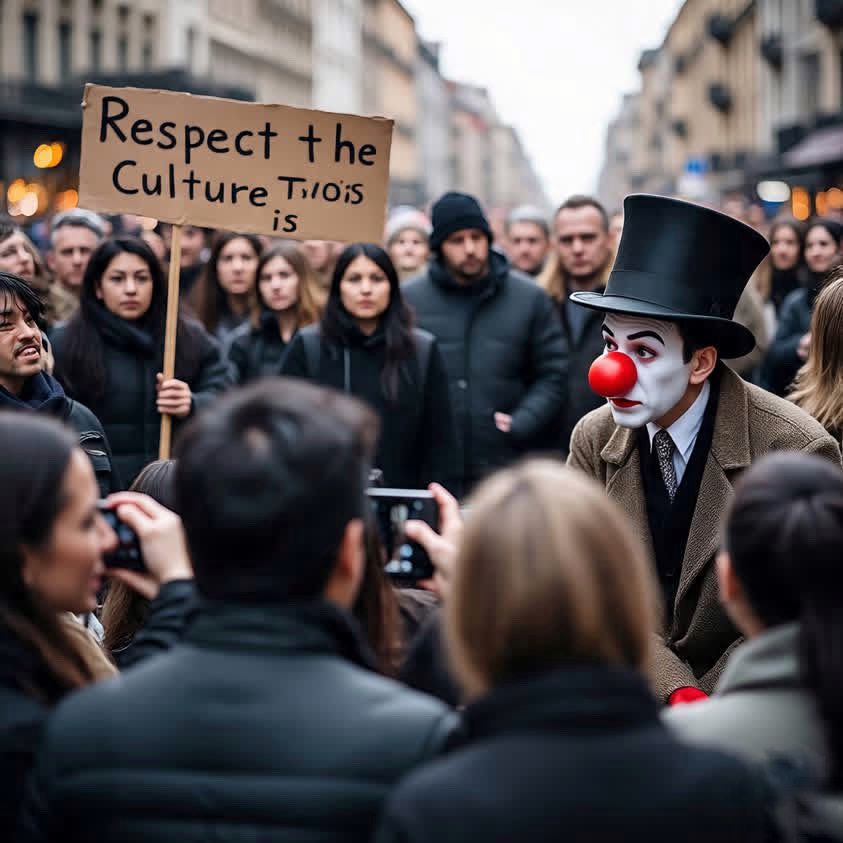
This is where counter tourism enters the conversation, and it is a concept I find genuinely fascinating. Counter tourism, sometimes discussed alongside alternative tourism, responsible tourism, and slow travel, represents a growing sociological and philosophical pushback against the extractive, surface-level consumption model of mainstream tourism. Counter tourism asks travelers to move beyond the gaze, to engage with places and communities as participants rather than spectators. It encourages longer stays, deeper relationships with local communities, support for locally owned businesses, and a critical awareness of the environmental and social impacts of one’s presence.
But counter tourism is not without its own sociological complications. Critics have noted that even well-intentioned alternative tourism can reproduce some of the same power imbalances it claims to challenge. When affluent travelers from the Global North seek out “authentic” encounters in the Global South, they are still operating within a framework shaped by economic inequality and colonial history. The sociology of tourism and globalization reminds us that the conditions enabling international travel, affordable flights, visa access, and disposable income are themselves unevenly distributed. The freedom to be a counter tourist is, in many ways, a privilege.
What I find most compelling about tourism sociology is its insistence on looking at tourism as a mirror. How societies organize tourism, who they welcome, what they display, and what they hide, what gets called “authentic” and what gets dismissed as commercialized, all of this reflects deeper structures of race, class, nationalism, and power. Tourism and social stratification are intertwined in ways that rarely appear in travel brochures. The backpacker who prides themselves on avoiding tourist traps is still navigating a system designed around their mobility. The local vendor who smiles for photographs is embedded in an economy that depends on that smile.
References
MacCannell, D. (1999). The tourist: A new theory of the leisure class. University of California Press.
Sharpley, R. (2014). Host perceptions of tourism: A review of the research. Tourism Management, 42, 37–49. https://doi.org/10.1016/j.tourman.2013.10.007
Smith, V. L. (Ed.). (1989). Hosts and guests: The anthropology of tourism (2nd ed.). University of Pennsylvania Press.