
 Posted by
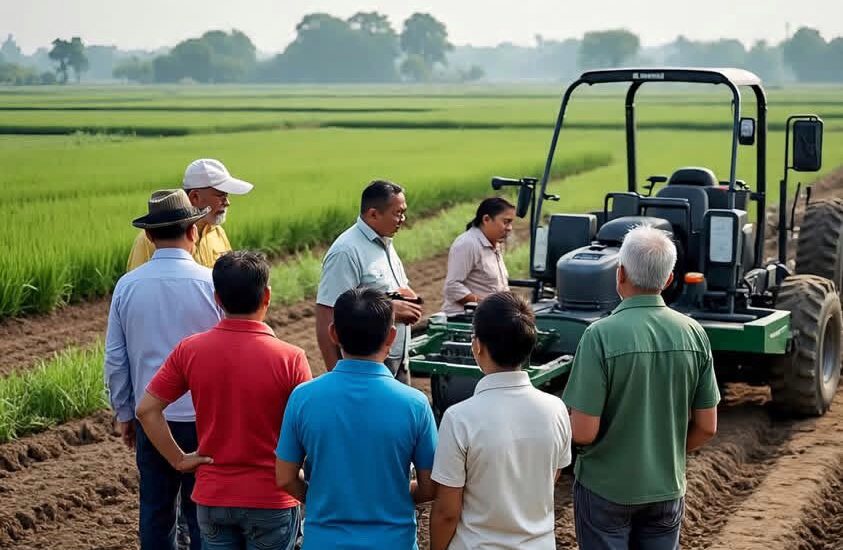
 The farmer, a third-generation grower in his late fifties, walked me through rows of crops while holding a tablet that showed real-time soil moisture data, pest activity maps, and yield predictions. He looked both proud and slightly bewildered, like someone who had just learned a new language and was not entirely sure he was using it correctly.
That moment stuck with me, because it captured something that researchers and policymakers often miss when they talk about smart agriculture and its social implications. This is not just a technological story. It is a deeply human one.
Smart agriculture, also known as precision farming or digital agriculture, refers to the use of advanced technologies like artificial intelligence, the Internet of Things, drone surveillance, remote sensing, and big data analytics to optimize farm management and crop production.
The global smart agriculture market has been growing steadily, and with food security concerns intensifying alongside climate pressures, more governments and agribusinesses are pushing for rapid adoption. But the sociology of smart agriculture asks a different set of questions than the ones engineers and economists tend to ask. Instead of asking how much yield can be increased, it asks who benefits, who gets left behind, and what happens to the social fabric of rural communities when farming goes digital.
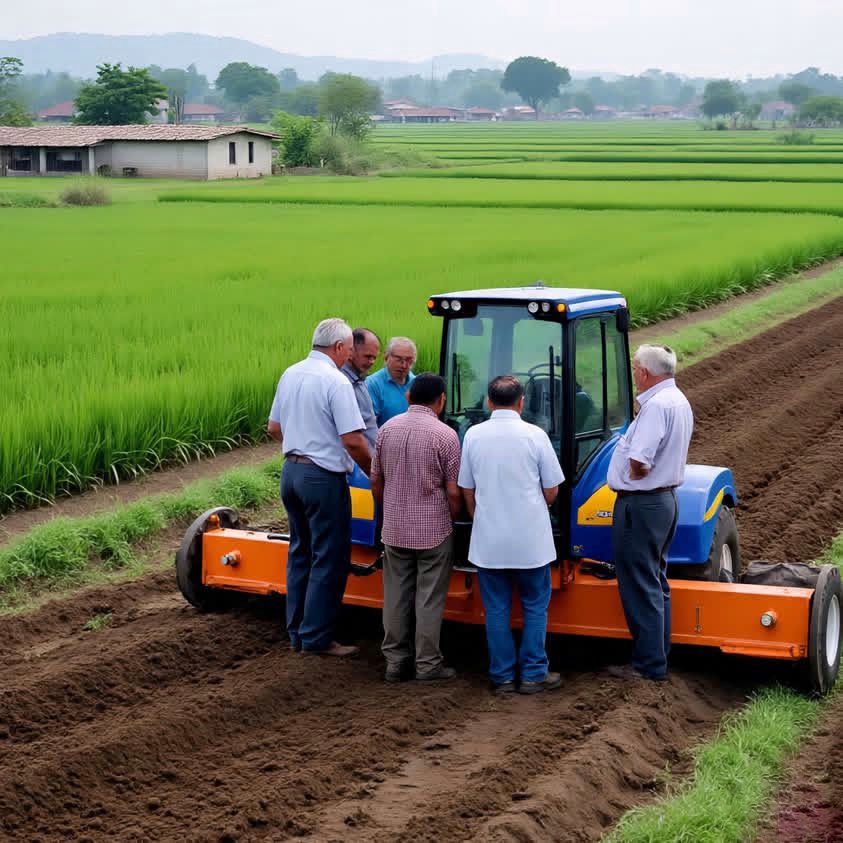
One of the most significant social implications of smart agriculture is its effect on rural labor. Automated irrigation systems, robotic harvesters, and AI-driven crop monitoring reduce the need for manual labor in ways that sound efficient on paper but translate into real displacement for farmworkers and seasonal laborers.
I have spoken with agricultural sociologists who point out that the communities most affected by this displacement are often the most economically vulnerable migrant workers, smallholder farming families, and rural households that depend on seasonal agricultural income. The transition to smart farming technology does not come with a social safety net attached, and that gap matters enormously.
At the same time, it would be unfair to paint smart agriculture purely as a villain in the story of rural communities. The technology also creates new opportunities, particularly for younger generations who are more comfortable with digital tools and who might otherwise see little future in traditional farming.
Digital agriculture has become a pathway for some rural youth to stay connected to the land while building skills that translate into broader economic opportunities. The sociological tension here is real; the same technology that displaces older farmworkers can attract and empower younger ones. How communities navigate that tension depends heavily on access to education, infrastructure, and policy support.
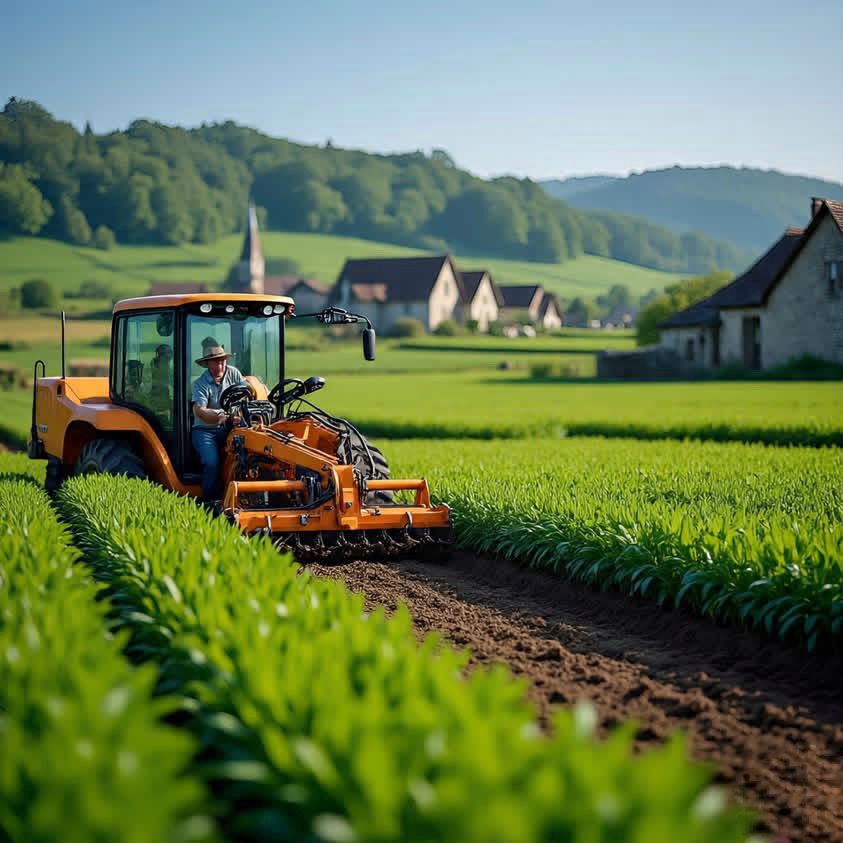
Access, in fact, is where many of the most pressing social implications of smart agriculture concentrate. Precision farming tools require reliable internet connectivity, capital investment, and technical literacy resources that are not evenly distributed.
Large-scale commercial farms and agribusiness corporations are far better positioned to adopt and benefit from smart agricultural technologies than smallholder farmers in developing regions or even in rural pockets of wealthier countries. This creates what some researchers describe as a “digital divide in agriculture,” where the adoption of innovation deepens existing inequalities rather than resolving them.
When we talk about the social implications of smart agriculture, we have to talk honestly about power, about who controls the data, who owns the platforms, and whose farming knowledge gets encoded into the algorithms.
That last point about data ownership deserves more attention than it usually gets. Smart farming systems generate enormous quantities of data about soil conditions, weather patterns, crop performance, and resource use.
That data is valuable not just to the individual farmer, but to seed companies, agrochemical corporations, financial institutions, and government agencies. The question of who owns that data and how it can be used raises serious concerns about farmer autonomy, corporate surveillance, and rural privacy.
In some contexts, farmers are essentially trading intimate knowledge about their land and operations for access to tools they feel they cannot afford to go without. The sociological concept of data colonialism has been applied to this dynamic, and while the term may feel extreme, the underlying concern is legitimate.
Cultural identity is another dimension of smart agriculture’s social implications that tends to get overlooked in purely economic analyses. Farming is not just an occupation in most rural communities; it is a way of life, a source of identity, and a repository of intergenerational knowledge.
Reference
Carolan, M. (2017). Publicising food: Big data, precision agriculture, and co‑experimental techniques of addition. Sociologia Ruralis, 57(2), 135–154. https://doi.org/10.1111/soru.12120
Clapp, J., & Isakson, S. R. (2018). Speculative harvests: Financialization, food, and agriculture. Fernwood Publishing.
Food and Agriculture Organization of the United Nations. (2022). The state of food and agriculture: Leveraging automation in agriculture for transforming agrifood systems. https://doi.org/10.4060/cb9479en