

 Posted by
 I have been watching my neighbor walk his dog every morning for the past three years, and only recently did I start to wonder what that simple act really means. Not just for him or the dog, but for all of us as a society. The way we interact with animals, the roles we assign them, and the boundaries we create between us and them reveal so much about human culture that it feels almost embarrassing we do not talk about it more often. Explore how our relationships with animals reflect society’s values, contradictions, and cultural norms in this thought provoking look at human-animal sociology.
The sociology of human-animal relations is one of those academic fields that sounds niche until you realize it touches nearly every aspect of our daily lives. We live in a world where some animals sleep in our beds while others end up on our dinner plates. We spend billions on veterinary care for pets while funding factory farms that process millions of livestock annually. These contradictions are not just personal quirks or individual choices. They are deeply rooted in social structures, cultural norms, and historical patterns that shape how we see and treat different species.
When I was growing up, my family had a cat named Smokey who was essentially treated like a furry, temperamental roommate. He had his own chair, his preferred spots in the house, and everyone knew not to disturb him during his afternoon naps. Yet my grandmother, who lived just down the street, raised chickens in her backyard and thought nothing of preparing them for Sunday dinner. The same family, two completely different relationships with animals, and nobody ever questioned why. That disconnect fascinated me then and still does now.
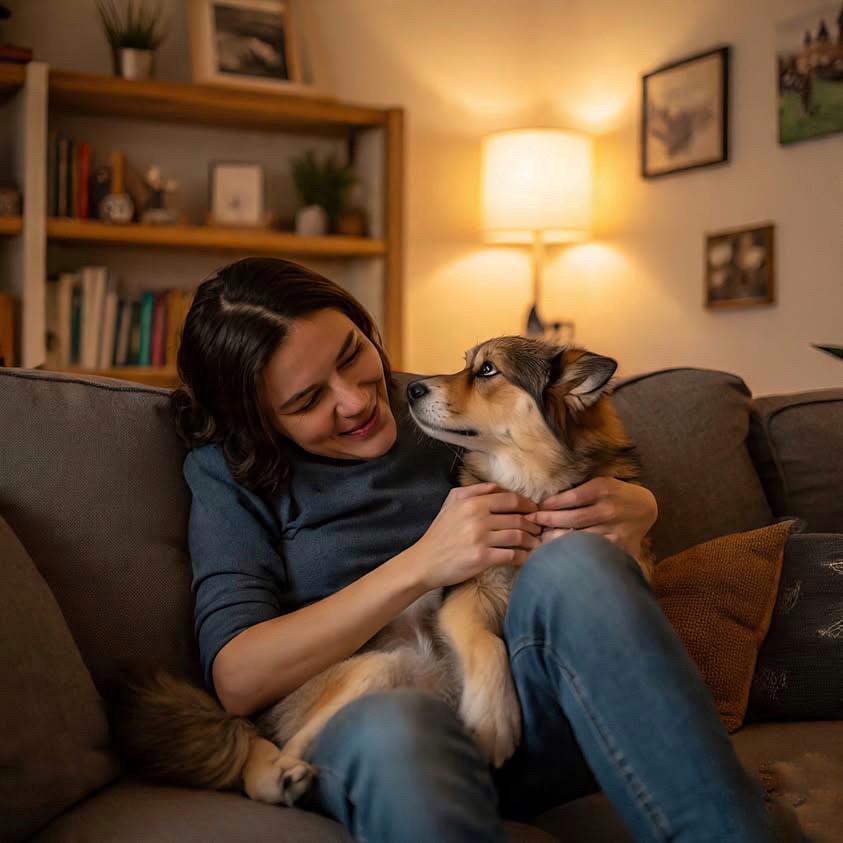
Sociologists who study human animal relations examine exactly these kinds of patterns. They look at how societies construct categories like pets versus livestock, wild versus domesticated, cute versus threatening. These categories are not natural or universal. They are social constructs that vary dramatically across cultures and time periods. In some countries, dogs are beloved family members. In others, they are working animals or even food sources. The animal itself has not changed, but the social meaning we attach to it has.
One of the most interesting aspects of this field is how it reveals the power dynamics embedded in our relationships with animals. We decide which animals deserve protection and which do not. We determine their value based on utility, aesthetics, or emotional connection. Animals become symbols of status, companions that fulfill our need for connection, or resources to be managed and exploited. The language we use reflects these hierarchies too. We adopt pets but we own livestock. We euthanize beloved companions but we slaughter farm animals. Same action, different framing, entirely different emotional response.
The modern pet industry offers a perfect lens for understanding how human-animal relations reflect broader social trends. Americans alone spend over a hundred billion dollars annually on their pets. We have pet psychologists, pet spas, pet birthday parties, and pet insurance. Some people joke that they love their dogs more than most humans they know, and you know what, they might not actually be joking. This intense emotional investment in companion animals coincides with rising rates of social isolation, delayed marriage, and smaller family sizes. Are pets filling a void left by changing human social structures? Many researchers think so.
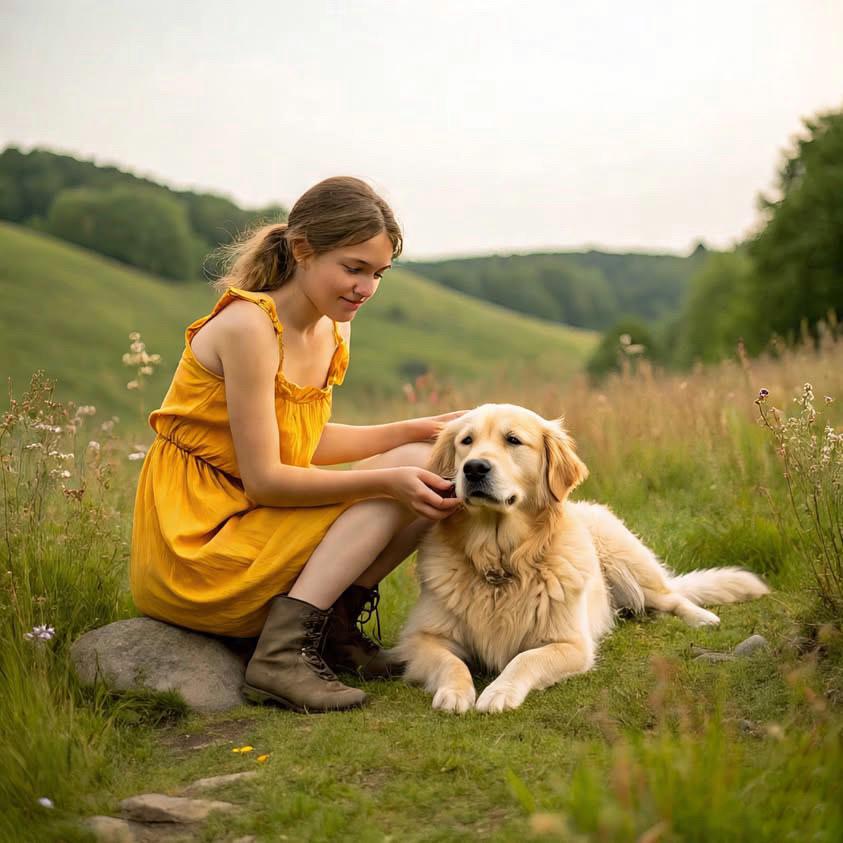
But here is where it gets complicated. While we pamper our pets, we maintain systems of animal agriculture that operate on scales and in conditions that most people prefer not to think about. The cognitive dissonance required to love animals while eating them has spawned its own term in psychology and sociology. We justify it through carefully maintained categories and selective empathy. A pig in a sanctuary is an intelligent, emotional being worthy of protection. A pig in a farm system is pork. Same animal, completely different social construction.
Environmental sociology has also entered this conversation in recent years. Climate change, habitat destruction, and species extinction have forced us to reconsider the human-animal divide in new ways. Indigenous perspectives that never separated humans from the natural world in the same way Western thought did are gaining recognition. The idea that humans are somehow apart from or above the animal kingdom is being challenged not just ethically but practically as we confront the consequences of treating nature as a resource rather than a relationship.
I find myself thinking about that neighbor and his dog again. What looks like a simple morning routine is actually a performance of social norms, economic systems, legal frameworks, and cultural values. The leash he uses exists because of laws about animal control. The breed of dog he chose reflects aesthetic preferences shaped by media and social status markers. The fact that he walks the dog at all demonstrates beliefs about animal welfare and pet ownership responsibilities that are relatively recent in human history.
Reference
American Veterinary Medical Association. (2024). U.S. pet ownership statistics. AVMA. https://www.avma.org/resources-tools/reports-statistics/us-pet-ownership-statistics
Carter, B., & Charles, N. (2018). The animal challenge to sociology. European Journal of Social Theory, 21(1), 79–97. https://doi.org/10.1177/1368431016681305.
DeMello, M. (2012). Animals and society: An introduction to human-animal studies. Columbia University Press.