
 Posted by
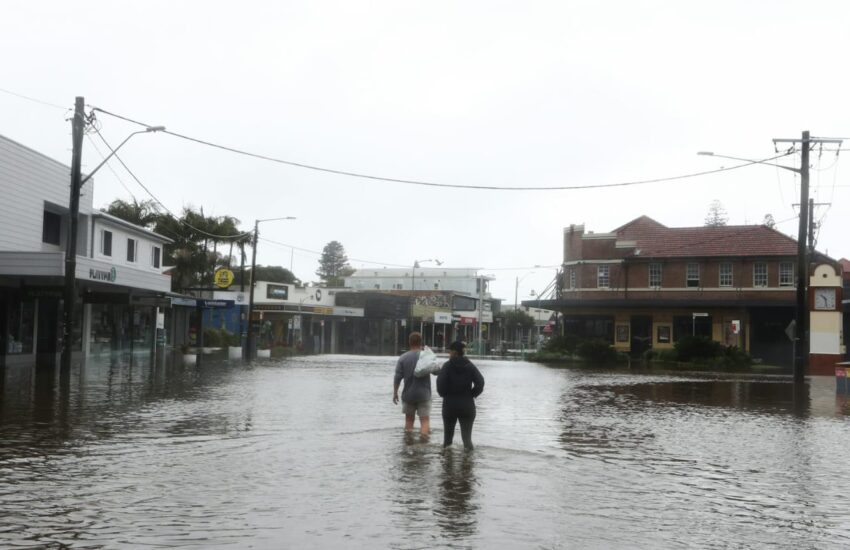
 I remember watching coverage of a hurricane a few years back, sitting in my living room while reporters shouted over the wind and rain. The footage showed flooded streets and torn rooftops, and for a moment, it felt like nature had simply decided to remind us all who was in charge. But then something caught my attention.
The cameras shifted to different neighborhoods, and the contrast was impossible to miss. Some areas looked like a bomb had hit them while others, just miles away, seemed to have weathered the storm with barely a scratch. That image has stuck with me because it revealed something we don’t talk about enough.
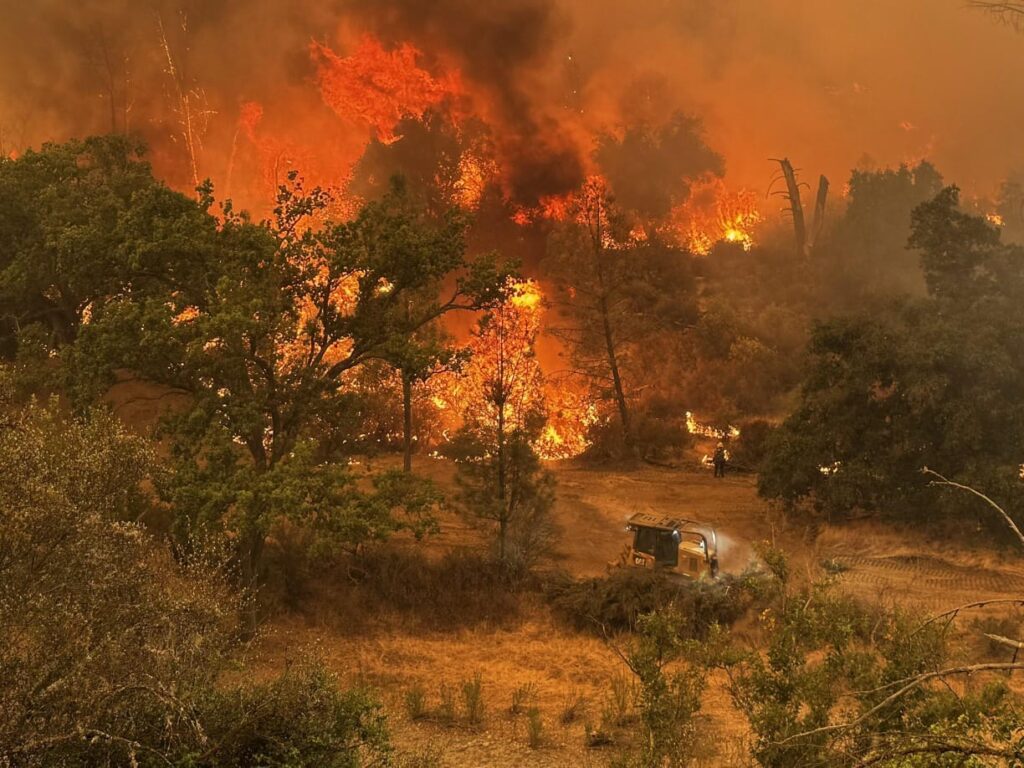
When disasters strike, they do not strike equally. And here is the uncomfortable truth that is no accident. When we examine how communities prepare for, respond to, and recover from hurricanes, wildfires, and floods, understanding the sociological dimensions of disaster vulnerability helps explain patterns that otherwise seem random or purely environmental.
Let me give you an example that drove this home for me personally. A friend of mine worked in disaster relief for years, and she told me about two families she helped after a major flood. The first family had insurance, savings in the bank, and relatives in a neighboring state who let them stay for free while their home got repaired.
The second family rented an apartment in a flood-prone area because it was affordable, had no insurance because the landlord didn’t require it, and ended up in a shelter for months while navigating FEMA paperwork that seemed designed to confuse people. Both families lost everything. Only one had a realistic path back.
This is what sociologists have been documenting for decades now. Vulnerability follows the same fault lines that already exist in our society. Low-income communities, communities of color, elderly residents, and people with disabilities all face greater risks before, during, and after disasters.
They live in more hazardous locations, have fewer resources to prepare, and encounter more obstacles when trying to rebuild. Think about where we build things. Have you ever noticed that industrial facilities, waste treatment plants, and other undesirable infrastructure tend to cluster in certain neighborhoods? Those areas are almost always home to low-income residents and people of color.
It is the same story with floodplains. Property is cheaper there for a reason, and that reason usually comes down to who can afford to live somewhere safer. When a river overflows or a chemical plant leaks during an earthquake, the people living closest bear the brunt. I keep coming back to Hurricane Katrina when I think about this. The images from New Orleans showed us something undeniable about race and class in America.
Who got stuck in the Superdome? Who had cars to drive out? Who got interviewed on television as resilient homeowners versus desperate refugees? The answers were right there for anyone willing to look. Recovery might actually be the cruelest part of this whole equation. If you have money and connections, you can start rebuilding pretty quickly.
You call your insurance adjuster, you hire a contractor, you stay in a hotel while the work gets done. If you do not have those things, you enter a world of applications and appeals and temporary housing that stretches into years. Some communities literally never recover. They just become different places emptier, poorer, more forgotten.
Here is something that bothers me about how we usually talk about preparedness. The standard advice always sounds the same. Build an emergency kit, make a family plan, stay informed through local alerts. That advice is fine as far as it goes, but it assumes you have extra money for supplies, flexibility in your schedule, and stability in your housing situation.
What does building a kit mean to someone living paycheck to paycheck? How do you stock three days of emergency food when you are choosing between dinner and the electric bill? The meta description for this article emphasizes that understanding why disasters impact communities differently requires looking at social factors, not just weather patterns, and this perspective shapes everything from preparedness to recovery efforts.
I have started paying more attention to what actually works in communities that bounce back better. Researchers call it community resilience, and it is not about fancy infrastructure or high-tech warning systems. It is about neighbors knowing each other. It is about community organizations that have been around for years and have real relationships.
It is about mutual aid networks where people show up for each other without waiting for official permission. There was a neighborhood in Chicago a while back that dealt with an extreme heat wave much better than surrounding areas. When researchers studied why, they found the difference was social. People knew their neighbors. They checked on elderly residents.
There were block clubs and community centers where people naturally gathered. The physical conditions were the same as everywhere else. The social conditions were different. That gives me some hope, honestly. We cannot control where hurricanes form or how hard the wind blows. But we can control how we treat each other before, during, and after those storms hit.
We can advocate for policies that do not concentrate hazardous facilities in poor neighborhoods. We can push for recovery programs that account for historical inequality instead of pretending everyone starts from the same place. If we want to reduce disaster vulnerability, we have to look at the underlying conditions that create it.
That means housing policy, environmental regulation, economic opportunity, and racial justice. It means understanding that a disaster is never just a disaster. It is a moment when existing inequalities become impossible to ignore.
References
Tierney, K. (2014). The Social Roots of Risk: Producing Disasters, Promoting Resilience. Stanford University Press.
Federal Emergency Management Agency. (2023). Building Cultures of Preparedness.
Cutter, S. L., Boruff, B. J., & Shirley, W. L. (2003). Social vulnerability to environmental hazards. Social Science Quarterly, 84(2), 242–261.