
 Posted by
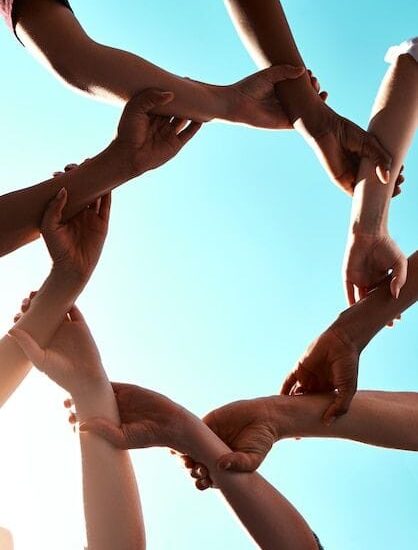
 We do not talk about solidarity enough. Not really. We throw the word around during crises, sure, but as a core principle of how we live together every single day? It gets overshadowed by the relentless focus on individual achievement and self-reliance that dominates our modern conversations. I think that is a massive oversight, and I want to dig into why solidarity is not just a nice-to-have, but the very foundation of a functioning society, looking at it through the lens of classical sociology.
You cannot really start this conversation without mentioning Émile Durkheim. He is the grandfather of this whole concept, the one who gave us the language to talk about what holds us together. Back in 1893, he wrote about this in his work on the division of labor, and he drew a famous distinction between two types of cohesion: mechanical and organic solidarity. This distinction is more than just academic jargon; it helps explain the shift in how we connect as the world around us becomes more complex.
Mechanical solidarity is the glue that bound traditional, pre-industrial societies. Think of a small village or a tribe where pretty much everyone does the same kind of work, shares the same religious beliefs, and lives a similar kind of life. The collective conscience, that shared set of values and beliefs, is so powerful that it basically resides within each individual, guiding their actions automatically. The question is, could this ever work on a national or global scale? I find it hard to imagine, frankly.
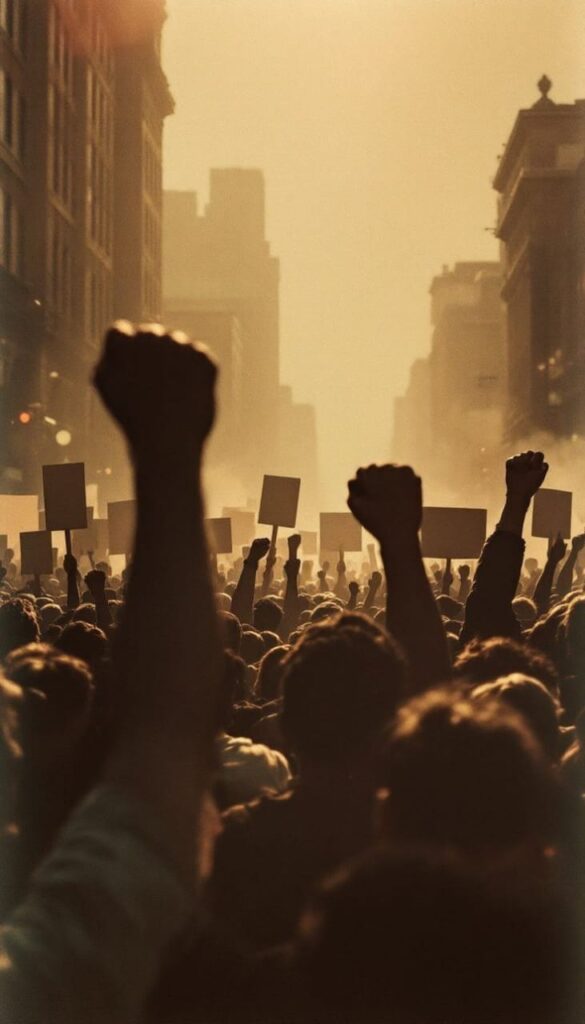
But then society industrialized and urbanized, and a completely different kind of cohesion emerged. This is where Durkheim’s concept of organic solidarity comes into the picture. He saw that in a modern, complex society, we are not held together by how much we are alike, but by how much we need one another. We are deeply interdependent. No single person can grow their own food, build their own house, and provide their own healthcare. The teacher depends on the farmer for food, the farmer depends on the mechanic for a tractor, and the mechanic depends on the teacher to educate their kids. It is a delicate, complicated web of mutual reliance.
This reframes the whole idea of dependence, doesn’t it? We often view dependence as a weakness, but Durkheim pointed out that in an organic society, it is the very thing that creates unity. Defining social solidarity in this way highlights that it is actually a highly resilient form of cohesion, forged by practical, everyday necessity rather than just a shared ideology or belief system. We cooperate not only because we share values, but because our survival depends on it.
Now, Durkheim was not naive. He knew this transition came with serious risks. As the old, mechanical bonds of shared tradition fade and we enter this new, more specialized world, there is a danger of a condition he called anomie. Anomie is basically a state of normlessness, a breakdown of moral standards, and a sense of being disconnected or lost. It feels like the rules of the game are unclear.
This is where I believe we really struggle today. On one hand, we are more functionally interdependent than ever before. The supply chains that deliver our food and phones are global and staggeringly complex. But at the same time, many of us feel an acute sense of isolation. This is the modern paradox where conversations about social solidarity often collide with the reality of social media echo chambers. We can be deeply reliant on others we will never meet while feeling utterly disconnected from our own neighbors.
Strengthening organic solidarity, in my opinion, requires more than just economic interdependence. We need to be more intentional. It means building community ties, participating in civic life, and supporting institutions that remind us of our shared stake in each other’s wellbeing. It is the work of unions, mutual aid networks, and local clubs that help bridge the gaps and rebuild that sense of shared purpose.
So, is solidarity just a dusty old concept? Absolutely not. It is a living, necessary force. The sociologist Kurt Bayertz, for instance, has written extensively on the problem of defining solidarity in modern pluralistic societies. He argues that for solidarity to exist, there has to be a perceived commonality. That perceived connection can be based on shared interests, shared values, or even a shared situation.
I believe societies that actively cultivate solidarity in all its forms will prove to be more resilient, more just, and frankly, happier places to live than those that leave social cohesion to the cold, invisible hand of the market. It is the foundation on which everything else is built. For more on the consequences of its absence, you might find our analysis on anomie and its role in social disorganization to be a useful and sobering read.
References
Britannica. (2026, May 22). Mechanical and organic solidarity. https://www.britannica.com/topic/mechanical-and-organic-solidarity
Open Yale Courses. (n.d.). SOCY 151, Lecture 23: Durkheim’s theory of anomie. https://oyc.yale.edu/sociology/socy-151/lecture-23
EBSCO Research Starters. (n.d.). Durkheim’s mechanical and organic solidarity. https://www.ebsco.com/research-starters/sociology/durkheims-mechanical-and-organic-solidarity