
 Posted by
 Discover how the sociology of the senses reveals the social forces shaping your everyday sensory experience from smell and sound to space and identity. I still remember the exact moment I walked into my grandmother’s kitchen and felt something shift inside me. It was not just the smell of the food; it was the whole sensory atmosphere of the place.
The sound of oil sizzling, the warmth radiating from the stove, the rough texture of the wooden table under my palms. In that single moment, I was not merely present in a room. I was embedded in a social world that had been built long before I arrived. That is what the sociology of the senses is really about, and once you start seeing it that way, you cannot unsee it.
The sociology of the senses is a field that examines how our sensory experiences of sight, sound, smell, touch, and taste are shaped by the social structures and cultural norms we live within. It is not simply about biology or perception. It is about how society teaches us what to notice, what to ignore, what to find pleasant or repulsive, and what to associate with safety or danger.
Researchers like David Howes and Constance Classen have spent years arguing that the senses are not neutral channels through which information flows. They are culturally constructed, historically situated, and deeply political.
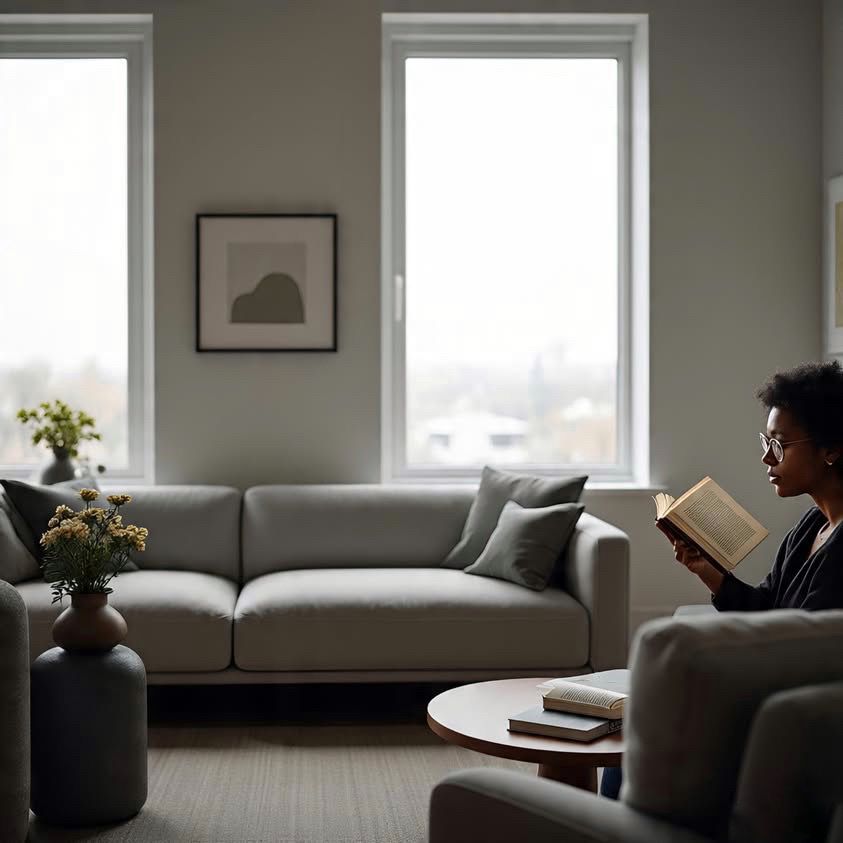
Think about the way urban sensory environments differ across neighborhoods. Walk through a wealthy district, and you will encounter wide, quiet streets, manicured greenery, and the soft hum of climate-controlled spaces. Cross into a lower-income area and the sensory landscape shifts dramatically louder, more chaotic, and often more polluted.
This is what scholars call sensory inequality, and it is one of the more striking concepts within the sociology of sensory experience. The sounds you wake up to, the air quality you breathe, the visual clutter or calm that surrounds you, these are not random. They are distributed along lines of class, race, and power.
I think about this a lot when I visit different cities. In some places, public spaces feel designed to be experienced slowly; there is texture, variation, and sensory richness that invite lingering. In others, everything is engineered for speed and efficiency, stripped of the sensory complexity that makes a place feel human. These are deliberate choices, embedded in urban planning, architecture, and policy.
The built environment is sensory, and the sociology of space helps us understand why that matters. What makes this field so compelling is also what makes it so uncomfortable. Sensory norms are often invisible to those who set them. Western cultures, for instance, have historically privileged vision above all other senses, a phenomenon Howes calls “ocularcentrism.”
We tend to trust what we see, to value visual evidence above other kinds of knowing. But this hierarchy is not universal. Many indigenous knowledge systems place far greater emphasis on smell, sound, or touch as primary ways of understanding the world. Sensory anthropology reveals that the way we organize our senses is also the way we organize our social hierarchies.
And then there is the question of smell, which I find particularly fascinating. Olfactory experience and social identity are tangled together in ways that are rarely examined directly. Smell is often used as a marker of otherness throughout history. Marginalized groups have been stigmatized through the attribution of offensive odors, a practice that sociologist Beverley Skeggs has linked to processes of class disgust.
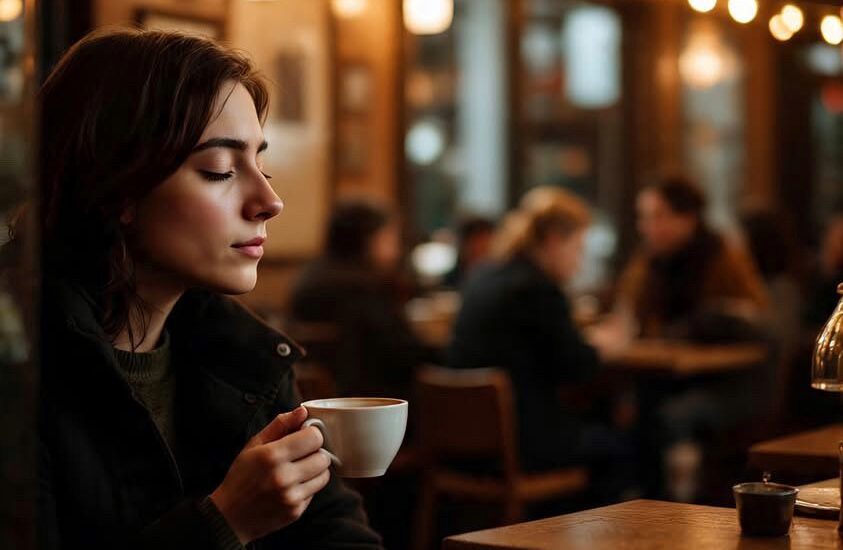
At the same time, certain smells carry enormous social capital. The smell of fresh coffee in a high-end café, the particular antiseptic cleanliness of a luxury hotel, these olfactory cues signal belonging, status, and taste in the sociological sense of the word. The sociology of taste and sensory culture also intersects powerfully with consumer society.
We live in a world saturated with manufactured sensory experiences, engineered fragrances, curated soundscapes in retail spaces, and carefully calibrated lighting in restaurants designed to make food look better and make us feel more relaxed. These are not accidental. They are the product of what some scholars call sensory marketing, and they operate on our social identities as much as our individual nervous systems. When a brand builds a signature scent into its stores, it is not just selling a product.
Reference
Classen, C. (1993). Worlds of sense: Exploring the senses in history and across cultures. Routledge.
Howes, D. (2003). Sensual relations: Engaging the senses in culture and social theory. University of Michigan Press.
Bourdieu, P. (1984). Distinction: A social critique of the judgement of taste. Harvard University Press.