
 Posted by
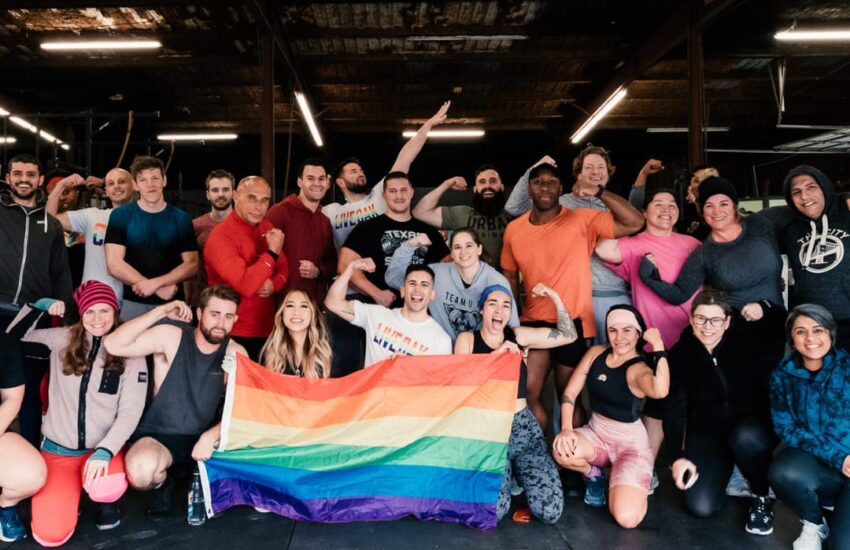
 I remember the first time I walked into a place that felt like it was truly meant for me. It was not anything fancy, just a crowded room above a bookstore, but the air hummed with a kind of relief. I did not have to explain my pronouns, or brace for a clumsy question, or edit a story about my weekend. I could just be.
That feeling, that specific exhale of the soul, is why queer spaces are not just nice to have; they are lifelines. And creating genuinely supportive LGBTQ+ environments is work that never really finishes. This is a personal reflection on the enduring need for safe, inclusive queer communities, from physical havens to digital sanctuaries, and how we can all contribute to building them.
You know, that meta description sums up a truth I have lived: these spaces have evolved from hidden basement gatherings to vibrant community hubs, but their core promise remains a refuge in a world that can still feel startlingly unwelcoming. The magic of a true safe space for queer individuals goes so much deeper than a place to hang out. For someone questioning their identity, it can be the difference between confusion and clarity, between isolation and belonging.
I have seen it firsthand: a friend, terrified and unsure, who found the courage to speak their truth only after meeting others who wore similar histories like a badge of honor, not a scar. These spaces offer living, breathing proof that happiness and authenticity are possible. They provide role models we rarely see in mainstream narratives, and that silent reassurance of shared experience is a powerful form of therapy all on its own. But how do we build that? It starts with intentionality.
Physical safety is the obvious first step, but it is just the door. You have to consider emotional and psychological safety once people are inside. That means clear, living guidelines about respect and consent that everyone understands. It means having staff or volunteers who are not just present, but trained to spot microaggressions or outright harassment and act. It means a system where someone can voice a concern and truly be heard, not just placated. It is hard work, and it is ongoing. Let us be honest, though, the most comfortable queer spaces can unintentionally become bubbles.
This is where intersectionality has to move from a buzzword to a blueprint. Our LGBTQ+ community is brilliantly diverse, a tapestry of races, abilities, ages, and backgrounds. A space perfect for a cisgender gay man my age might feel alienating, or even unsafe, for a transgender person of color or an older lesbian. Creating inclusive queer spaces means actively seeking out those missing voices and, crucially, being humble enough to change course based on their feedback. It is messy, it is imperfect, but it is the only way to build something that truly holds everyone.
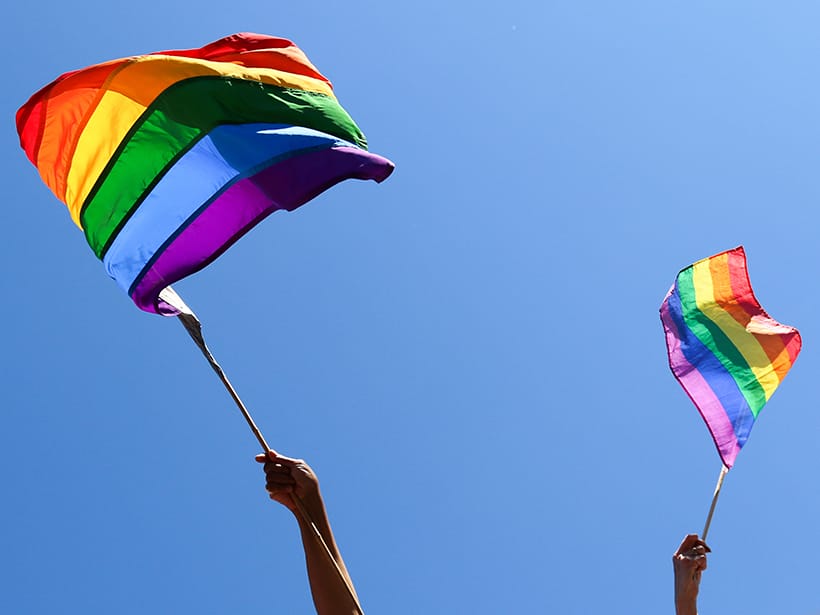
Of course, for many, a physical community center or café is out of reach. That is where digital queer spaces become absolute necessities. I think of young people in rural towns, or folks in regions where being out is dangerous. Online forums and virtual groups are not just convenient; they are vital. They throw a lifeline across miles and borders.
Yet, they come with their own hurdles, moderating hate, protecting privacy, and fostering genuine connection in a comment section. The goal is the same: to provide that essential support and connection, just through a different screen. Speaking of young people, youth-focused LGBTQ+ support spaces deserve our fiercest protection.
The statistics on homelessness and mental health struggles for queer youth are not just numbers; they are a crisis. A single safe space, like a school GSA, can be the anchor that keeps a kid afloat. It is where they might find their first mentor, their first friend who gets it. Supporting these initiatives is not charity; it is a direct investment in saving and nurturing futures. None of this exists without a practical foundation, and that often comes down to money.
Many LGBTQ+ community centers run on fumes and passion. Even the historic queer bars, those sacred social grounds, juggle the struggles of any small business with a narrower audience. If we value these havens, we have to support them by showing up, donating if we can, and volunteering our time. Their doors stay open because we choose to hold them open. And where do allies fit in? Your role is invaluable, but it requires sensitivity.
The best allies I know understand that these spaces must center LGBTQ+ voices. They listen, they amplify, and they use their privilege to advocate for change outside the safe space. They also respect when a gathering is meant for queer individuals only, recognizing that some sanctuaries need clear boundaries to function. In the end, this work of crafting safe and supportive queer spaces never really ends.
It shifts as we do, adapting to new understandings and needs. But the heart of it is timeless: it is about answering that fundamental human cry for belonging. These are not exclusive clubs or special treatment. They are the living rooms of our community, the places where we can finally take off the armor and just breathe. And in a world that still too often treats our existence as a debate topic that is not a luxury. It is home.
References
Institute of Medicine. (2011). The health of lesbian, gay, bisexual, and transgender people: Building a foundation for better understanding. National Academies Press.
Russell, S. T., & Fish, J. N. (2016). Mental health in lesbian, gay, bisexual, and transgender (LGBT) youth. Annual Review of Clinical Psychology, 12, 465-487. https://doi.org/10.1146/annurev-clinpsy-021815-093153
Substance Abuse and Mental Health Services Administration. (2020). conversion therapy: Supporting and affirming LGBTQ youth. U.S. Department of Health and Human Services. https://store.samhsa.gov/product/ending-conversion-therapy-supporting-and-affirming-lgbtq-youth/PEP20-02-01-009