
 Posted by
 My uncle does not talk about war. He talks about the starch in his dress uniform, the peculiar silence of a 3 a.m. watch, and the way his sergeant would sigh before issuing orders. As a kid, I found this baffling. Where were the tales of heroism and chaos? It was not until I stumbled into a sociology lecture years later that his stories clicked into place. He was not avoiding the drama; he was explaining the very fabric of military life.
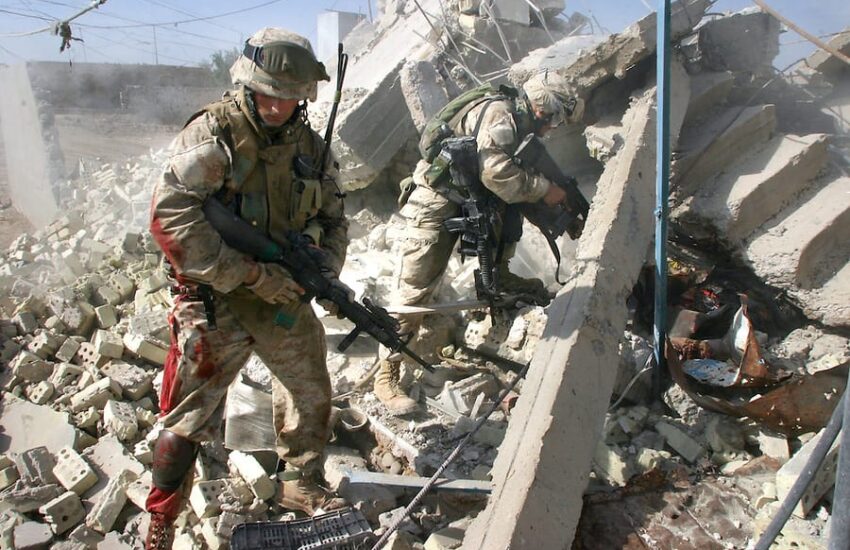
Those small, shared rituals are what hold the entire institution together. This is the heart of the sociology of war and military institutions; it is less about strategy and more about the people, the unexpected social glue, and the profound ways serving reshapes a life. Here is the thing we often miss: to truly understand the military, we must look past the weapons and examine the web of human relationships, the unique culture, and the powerful social forces that define it. This perspective is crucial for anyone hoping to grasp modern civil-military relations or the true cost of conflict.
This field did not just appear out of thin air. It really found its legs during World War II, when the U.S. military faced problems that sheer force could not solve. Why did some units hold together under fire while others fractured? How did race dynamics affect morale? Researchers like Samuel Stouffer dove into these questions, interviewing thousands of troops. Their work proved something revolutionary: even in the chaos of combat, human behavior follows social patterns.
Warfare, it turns out, is a deeply social phenomenon. For a long time, though, the study of military organizations felt niche. Then a scholar named Morris Janowitz changed the game. He argued that militaries were not static, fortress-like entities but were actually adapting, becoming more like civilian bureaucracies. This sparked a fierce debate that still echoes today. Are soldiers becoming more like corporate employees, or does the essential, brutal nature of their work keep them fundamentally apart? I think about my uncle folding that uniform with a kind of sacred precision.
That was not just about neatness; it was a ritual reinforcing a separate world with its own rules. This leads us to one of the biggest questions in military sociology: the delicate dance between civilian and military power. How does a democracy maintain control of a force designed to be overwhelmingly powerful? It is a paradox that keeps scholars up at night. Some, like Samuel Huntington, argued for a clear wall: civilians give the orders, and the military handles the how.
Janowitz pushed back, saying modern war is too messy for that. Soldiers, he believed, needed to understand the political consequences of their actions. This is not just academic; it gets to the core of who we are as a nation. When we watch the news, are we seeing a tool of the state or a profession with its own mind? Now, let us talk about what makes a unit fight. Old wisdom said it was all about the bond between soldiers and the band of brothers. And do not get me wrong, that matters.
But newer research suggests something else is at work in today’s all-volunteer force. With shorter deployments and more specialized roles, trust often comes from believing the person next to you is supremely competent at their job, not that you would necessarily be friends. It is a task of cohesion born from relentless training. This shift is huge. It changes how we recruit, how we train, and what we ask of our service members. Speaking of change, the move to an all-volunteer military after Vietnam turned everything upside down.
Suddenly, the military had to compete for talent in the job market. This shifted the relationship from one of duty and calling to one that can feel, for some, more like a skilled profession. It also forced a reckoning with who serves. Gender integration in the military and the ongoing work toward true equity are not just social experiments; they are operational imperatives. The data is clear: well-integrated units with high standards are effective units. The real barrier was never ability; it was often our own cultural baggage.
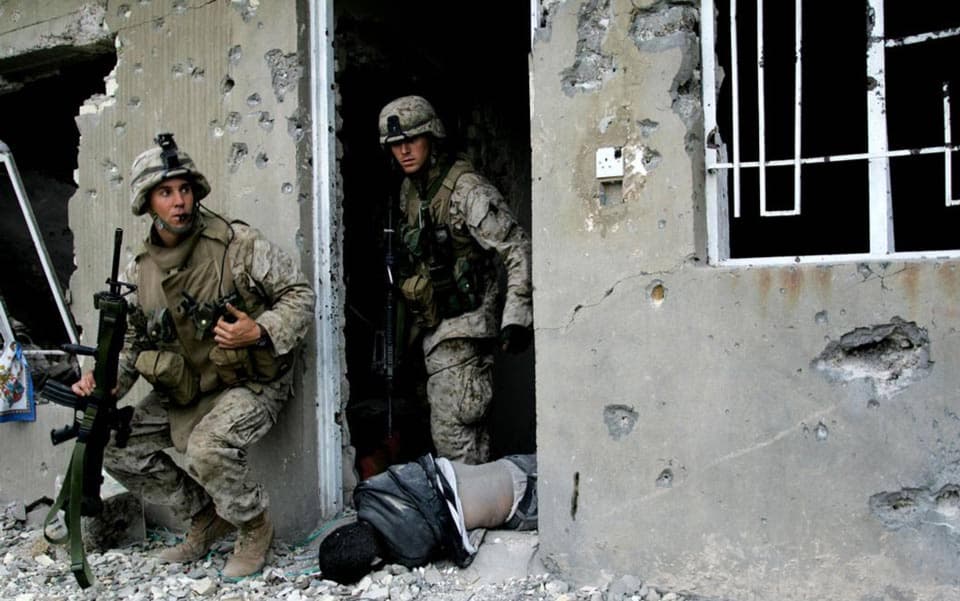
We also cannot forget the families. Modern warriors are often married with kids, which creates a whole universe of stress around deployments, moves, and reintegration. This is not a sidebar issue; family stability directly impacts whether a seasoned sergeant re-enlists. The sociology of combat itself tries to answer the unanswerable: What lets a person cross that terrifying line and actually pull the trigger? It is rarely an ideology. More often, it is a complex stew of training, loyalty to your immediate team, and the sheer will to survive.
So why does all this matter to someone who will never wear a uniform? Because the military is a mirror. It reflects our society’s strengths, like our capacity for integration and our failings, like systemic inequality. The relationship between the military and society is a two-way street. The experiences of veterans, the decisions of policymakers, and the public’s perception all flow back and forth, shaping who we are. In the end, I finally understood my uncle. The dramatic moments of combat were rare.
What defined his service was the society built within the ranks: the shared burdens, the unspoken rules, the routines that made the unthinkable manageable. Military sociology teaches us that to understand war, we must first understand the quiet, profound, and deeply human world that makes it possible. It is a lesson in power, in culture, and ultimately, in ourselves. For a deeper dive into the foundational research mentioned, you can explore the classic work, The American Soldier, through resources like the Perseus Project at Tufts University.
References
Cambridge University Press. (2010). *The Sociology of War and Violence*. https://www.cambridge.org/9780521516518
Springer. (2021). *Sociology of the Military*. https://link.springer.com/rwe/10.1007/978-3-030-02866-4_86-1
Wikipedia contributors. (2025). *Military sociology*. Wikipedia. https://en.wikipedia.org/wiki/Military_sociology
Encyclopedia.com. (2025). *Military Sociology*. https://www.encyclopedia.com/social-sciences/encyclopedias-almanacs-transcripts-and-maps/military-sociology
Springer. (2021). *Dynamic Intersection of Military and Society*. https://link.springer.com/rwe/10.1007/978-3-030-02866-4_31-1