
 Posted by
 Let me start with a little confession. I spent my twenties chasing job titles like they were golden tickets. Better resume, bigger salary, fancier email signature. And yet, most nights I would collapse on the couch feeling completely hollow. Have you ever had that experience? You clock out, but something about the day still feels off.
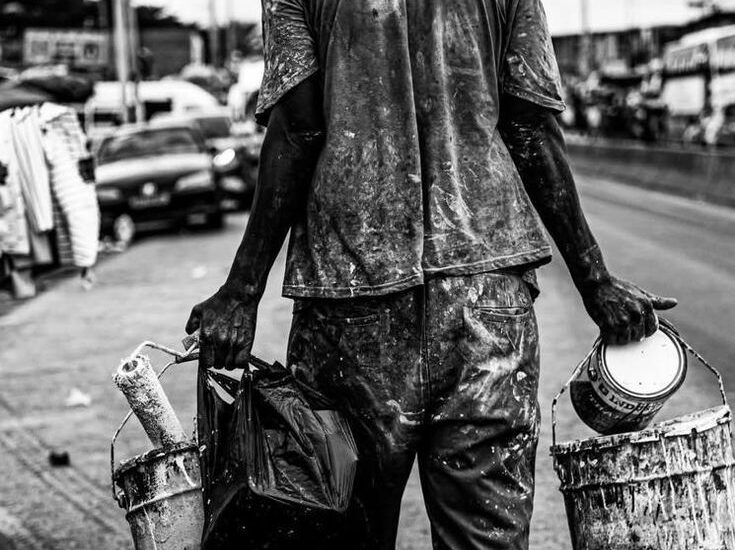
It was not until a friend handed me a dog-eared sociology book that I finally ran into an idea I wish I had learned way back in high school. Economists and thinkers draw a sharp line between two words we usually treat as synonyms: work and labor. Labor, in the old-school definition, is simple. It is the raw energy you burn for economic production. Punching a clock, stacking boxes, answering emails for a paycheck.
That is labor. Work, though? Work is bigger. Work includes the paid stuff, yes, but it also covers everything you do to keep a household running, raise a kid, show up for an aging parent, or help out a neighbor. One form gets a direct deposit every two weeks. The other mostly does not. And that little asymmetry, I have come to believe, tells us something deeply unfair about the world.
Think about the standard forty-hour week. Or the fact that your boss cannot legally make you work inside a machine with zero safety guards. Or that children are sitting in classrooms instead of coal mines. These are not ancient traditions handed down from on high. They are recent victories, and they came from people collectively deciding that their time and bodies had value. Unions fought for those gains. People got hurt. People went on strike.
I remember my grandfather telling me about his first factory job in the 1950s. He said, “You did not complain about a twelve-hour shift because the man next to you would just take your spot.” That story always chilled me. It also made me grateful for labor rights I had never earned myself. But here is the uncomfortable question I keep coming back to. Are those victories slipping away while we are not looking? Because I see pressure from three directions right now.
First, the gig economy. Drivers, shoppers, task-rabbits. Technically self-employed. That means no employer benefits, no paid sick days, and almost no legal protection when something goes wrong. Second, remote work. Do not get me wrong, I love not commuting. But the boundary between my laptop and my dinner table has basically vanished.
I answer Slacks at nine PM. I write proposals on Sunday afternoons. That is not working from home. That is living at work. And third, automation. It is not some robot apocalypse in the distant future. It is happening quietly, right now, as algorithms decide which human skills still deserve a wage.
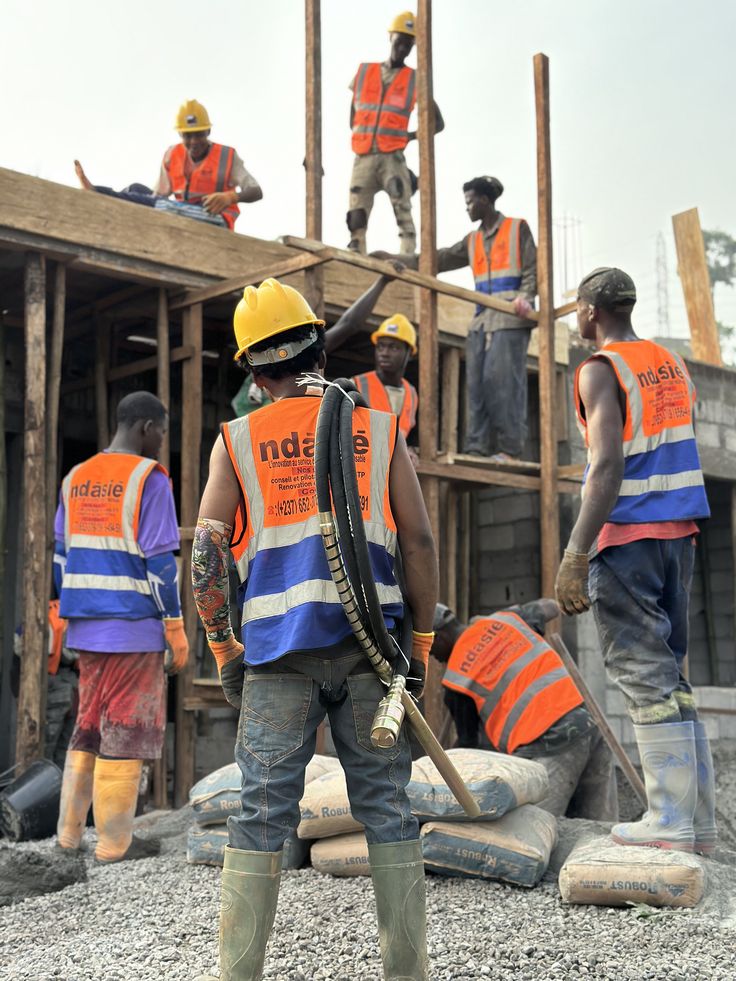
Let me shift gears and talk about something I barely noticed until I became a parent myself. Unpaid work. Domestic labor, caregiving, volunteering at the school bake sale. None of that shows up in GDP numbers. None of it makes a headline. And yet, without it, the whole system collapses.
I remember one exhausting week when my partner was sick, and I had to juggle my actual job with cooking, cleaning, managing a doctor’s appointment, and helping my mom with her insurance paperwork. By Friday, I thought, “I have not stopped moving for five days, but I have not earned a single dollar either.” That was my lightbulb moment.
In most societies, the people doing the most unpaid work are women. That is not a random accident or a personal choice. It is a structural outcome. We have built a world where caregiving is assumed to be free, loving, and feminine. And then we wonder why the gender pay gap persists. You cannot value what you refuse to measure.
Here is where I land after all of this thinking. Ask most people if they want to work, and they will say yes. I would say yes. Work, at its best, gives you structure, purpose, and a sense of contributing to something larger than yourself. I love the feeling of finishing a project that helps someone solve a real problem. That is not the complaint.
The complaint is exploitation. The complaint is insecurity. The complaint is a system that happily takes your output but treats you like a replaceable part. And that is a very different objection from objecting to work itself. This personal essay breaks down work vs labor, the hidden pressures of the gig economy, and why unpaid caregiving still does not get the respect it deserves.
So I will leave you with a question that I do not have a perfect answer to. Is the way we organize work, compensation, and distribution even remotely fair right now? A 2021 analysis from the Economic Policy Institute reminded me that productivity has grown more than six times faster than hourly wages for the typical worker over the last four decades. You can read the full report here.
I think we still have a tremendous amount of work to do. Not just labor, but real, human work. The kind that respects time. The kind that sees unpaid caregiving for what it is. The kind that asks, “What do we actually need from our jobs?” instead of just chasing the next paycheck. At least, that is what I am trying to figure out. One imperfect day at a time.
References
International Labour Organization. (2024). World employment and social outlook. https://www.ilo.org/global/research/global-reports/weso/lang–en/index.htm
Folbre, N. (2001). The invisible heart: Economics and family values. New Press. Referenced via JSTOR:
U.S. Bureau of Labor Statistics. (2024). American time use survey. https://www.bls.gov/tus/