
 Posted by
 Explore the sociology of climate change and how it reshapes inequality, migration, community identity, and collective behavior across the globe. The summer I spent volunteering in a small coastal village in Southeast Asia. The elders there spoke about the ocean the way most people talk about a close relative with history, with reverence, and, more recently, with a kind of quiet grief.
The shoreline they had known their entire lives was retreating. Fishing grounds that had sustained three generations were disappearing. What struck me most was not just the physical change unfolding around them, but the social unraveling happening alongside it. That experience pushed me to think seriously about the sociology of climate change, and why we cannot understand the environmental crisis without also understanding the human systems it disrupts.
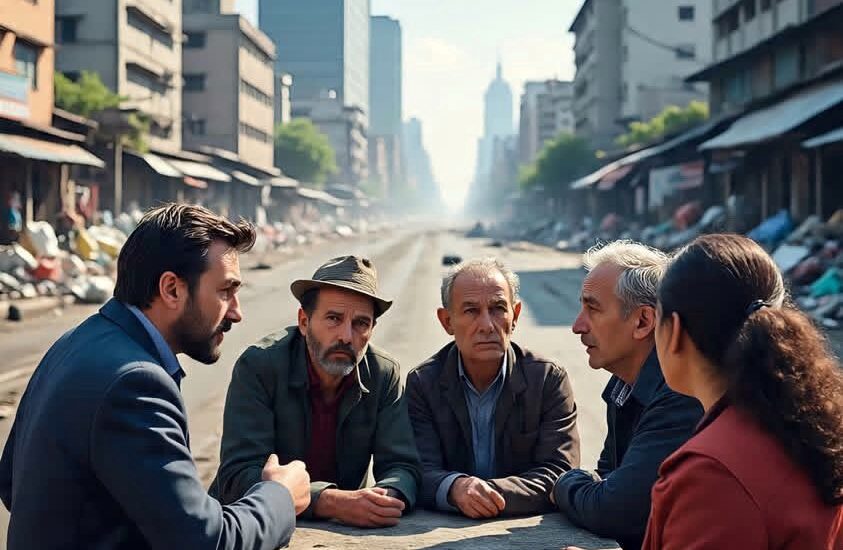
Climate change is not simply an ecological phenomenon. It is a sociological one. How rising temperatures, extreme weather events, and resource scarcity play out are deeply shaped by existing social structures, class, race, geography, gender, and power. Communities that have contributed least to global carbon emissions are, in many cases, the first to bear the consequences. This unequal distribution of climate risk is what sociologists often call climate injustice, and it sits at the heart of understanding how environmental change intersects with human society.

Think about how flooding disproportionately affects low-income urban neighborhoods, or how prolonged drought accelerates poverty in rural agrarian communities. The sociology of climate change invites us to examine these patterns critically, to ask not just what is happening to the planet, but who is most vulnerable and why.
Social stratification determines exposure to climate hazards in ways that are rarely accidental. Infrastructure, land ownership, and political representation are social institutions that determine which communities receive protection and which are left to manage on their own.
Climate migration is another dimension where sociology becomes indispensable. As environmental conditions deteriorate in certain regions, people move. They move internally, from rural to urban areas. They cross borders. And when they arrive somewhere new, they encounter existing social hierarchies, housing markets, labor structures, and cultural tensions.
Climate-induced displacement is already fueling complex social dynamics in parts of South Asia, Sub-Saharan Africa, and the Pacific Islands. Sociologists who study these patterns are documenting something important: migration driven by climate change is not random. It follows the grooves of pre-existing inequality.
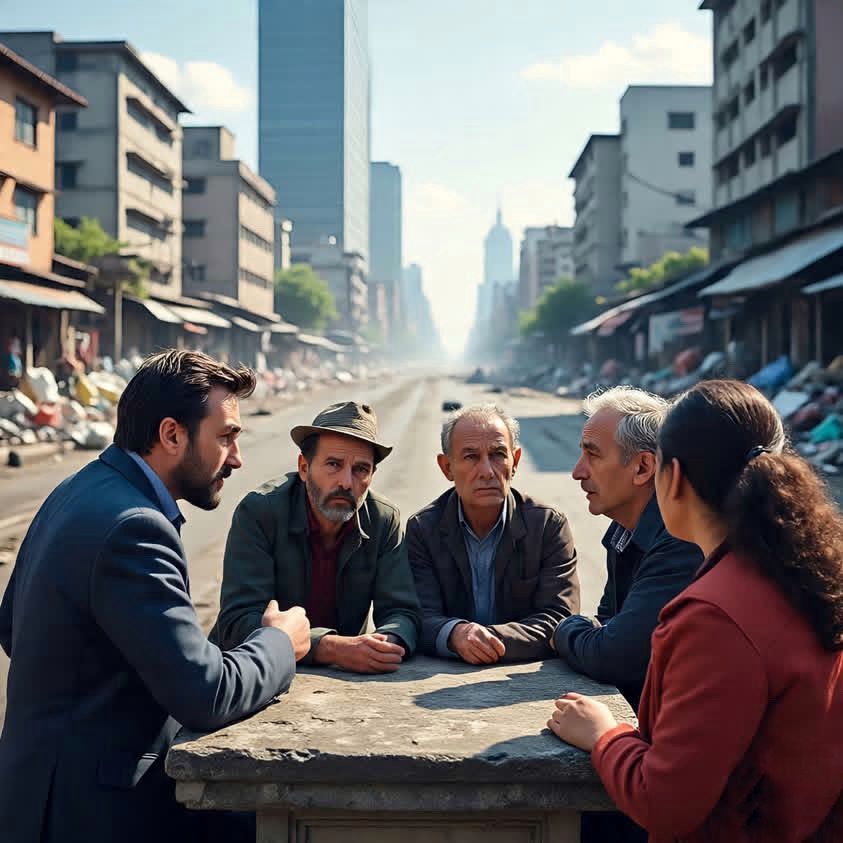
I have also been fascinated by the psychological and cultural dimensions of all this, the way collective identity shifts when the land itself changes. For farming communities, the soil is not just an economic resource. It carries memory, ritual, and meaning. When prolonged drought or desertification strips that away, it does not just affect livelihoods.
It erodes social cohesion, disrupts family structures, and challenges the cultural frameworks through which people make sense of the world. Environmental sociology has a term for this: solastalgia, a form of distress caused by environmental change in one’s home environment. It is a concept that bridges the personal and the collective in ways I find quietly devastating.
Collective behavior and social movements are also transformed by climate change. We have seen a new wave of climate activism emerge globally, from school strikes to direct action protests, and what makes this wave sociologically interesting is how it is structured differently from environmental movements of previous decades.
It is more intersectional, more youth-driven, and more explicit about the connections between environmental destruction and systems of economic exploitation. The sociology of climate change movement tells us something about how societies generate resistance, and what conditions make collective action feel both urgent and possible.
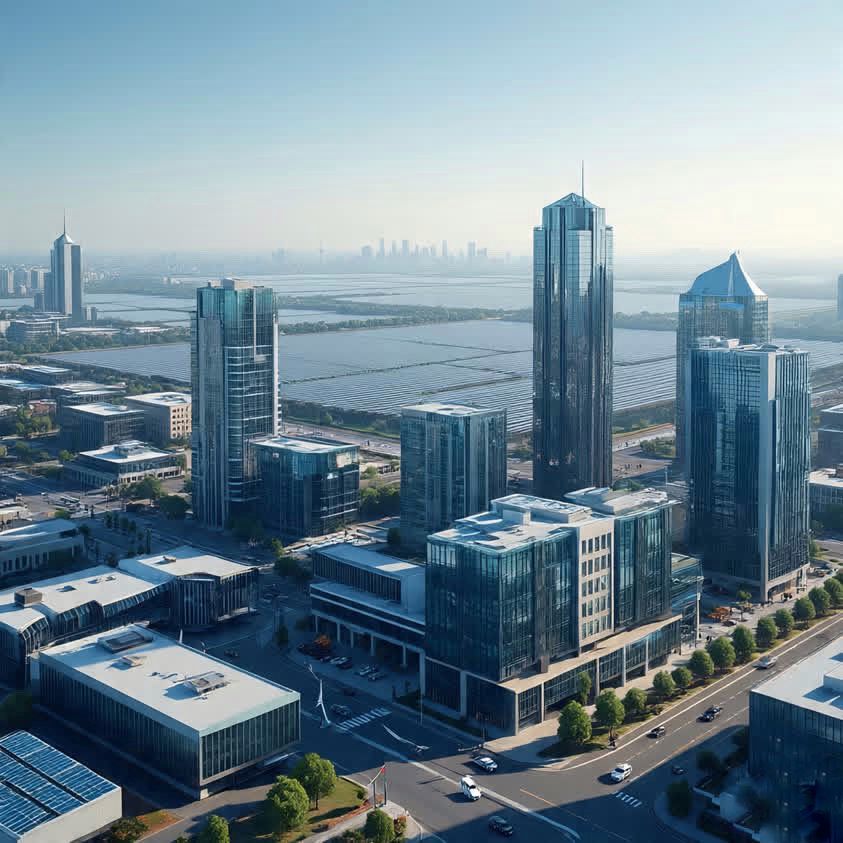
Organizations and institutions are not immune to these pressures either. Climate change is now a driver of organizational behavior, reshaping how corporations assess risk, how governments design policy, and how international bodies negotiate responsibilities.
Institutional sociology helps us understand why some organizations adapt quickly while others resist change and why political and economic power so often determines the pace of that adaptation. Corporate lobbying, regulatory capture, and the slow walk of climate legislation are not mysteries. They are predictable outcomes of how power operates within social institutions.
What I keep coming back to, though, is something simpler and more human. The sociology of climate change reminds us that the environment is never separate from society. The two have always been entangled. How we produce food, organize labor, build cities, distribute resources, all of it shapes and is shaped by the natural world.
Climate change is, in a sense, a mirror held up to social inequality, revealing just how unevenly the costs of industrialization and consumption have always been distributed. Understanding that entanglement is not just an academic exercise. It is a prerequisite for imagining something better.
Reference
Bullard, R. D. (1990). Dumping in Dixie: Race, class, and environmental quality. Westview Press.
Dunlap, R. E., & Brulle, R. J. (Eds.). (2015). Climate change and society: Sociological perspectives. Oxford University Press.
Hsiang, S. M., Burke, M., & Miguel, E. (2013). Quantifying the influence of climate on human conflict. Science, 341(6151), Article 1235367. https://doi.org/10.1126/science.1235367